31 Aug 2026
Charting Accumulator Layers in Equine Festivals and Racket Sport Showdowns via Exchange Mechanics
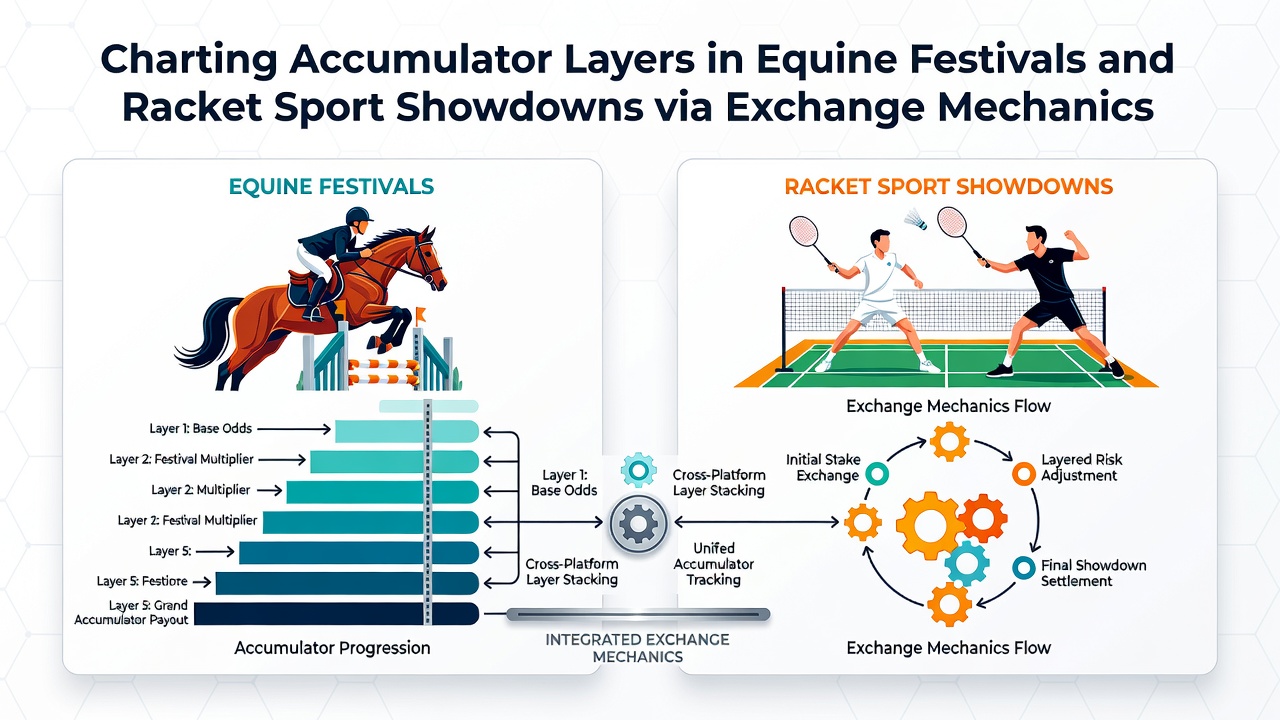
Accumulator layers function as structured sequences of multiple selections where each outcome builds upon the previous ones through exchange-based matching systems, and observers note that these mechanisms allow participants to adjust exposure across equine festivals such as major summer racing meets and racket sport showdowns including international tennis circuits. Data from industry reports indicates that exchange platforms facilitate real-time price adjustments which support the creation of layered positions without fixed bookmaker margins interfering with the flow.
Understanding Layer Construction in Exchange Environments
Participants construct layers by stacking conditional bets where initial selections in horse racing events feed into subsequent tennis match outcomes, while exchange mechanics permit laying against specific results to offset risk across the structure. Research from academic sources shows that such layering relies on liquidity pools where back and lay orders intersect at dynamic odds, and figures from 2025 seasons reveal increased activity during peak festival periods when multiple events overlap. Those who study these systems find that each layer adds a conditional multiplier effect, yet the overall position remains adjustable until all legs settle through automated matching protocols.
Application to Equine Festival Schedules
Equine festivals generate dense calendars where daily racing cards provide numerous opportunities for layering selections on distance, ground conditions, and trainer patterns, and exchange data streams update continuously to reflect shifts in market depth. Studies conducted by European research institutions highlight how accumulator layers spanning several festival days incorporate weather variables and historical performance metrics, which allows positions to evolve as new information emerges. In August 2026 several major equine gatherings are scheduled across multiple regions, creating windows where racket sport events run concurrently and enable cross-sport layering strategies through the same exchange infrastructure.
Integration with Racket Sport Showdowns
Racket sport tournaments feature set-by-set progressions and player fatigue factors that translate effectively into layered accumulator formats, since exchange systems record live scoring feeds that trigger conditional bet executions. Observers note that participants often align tennis match layers with equine results from the same day to diversify exposure, and reports from North American gaming associations confirm that such combinations appear more frequently when liquidity remains high across both markets. The mechanics support partial cash-out functions at intermediate stages, which preserve some layers while closing others based on unfolding event data.
Market depth metrics play a central role in determining viable layer depth, because thin order books on niche selections limit the number of conditional steps that can be completed without slippage. Industry analyses from Australian regulatory bodies demonstrate that exchange volume spikes during combined equine and racket sport weekends, which in turn supports more complex accumulator structures with additional safety layers built through opposing lay positions.
Technical Mapping of Layer Progression
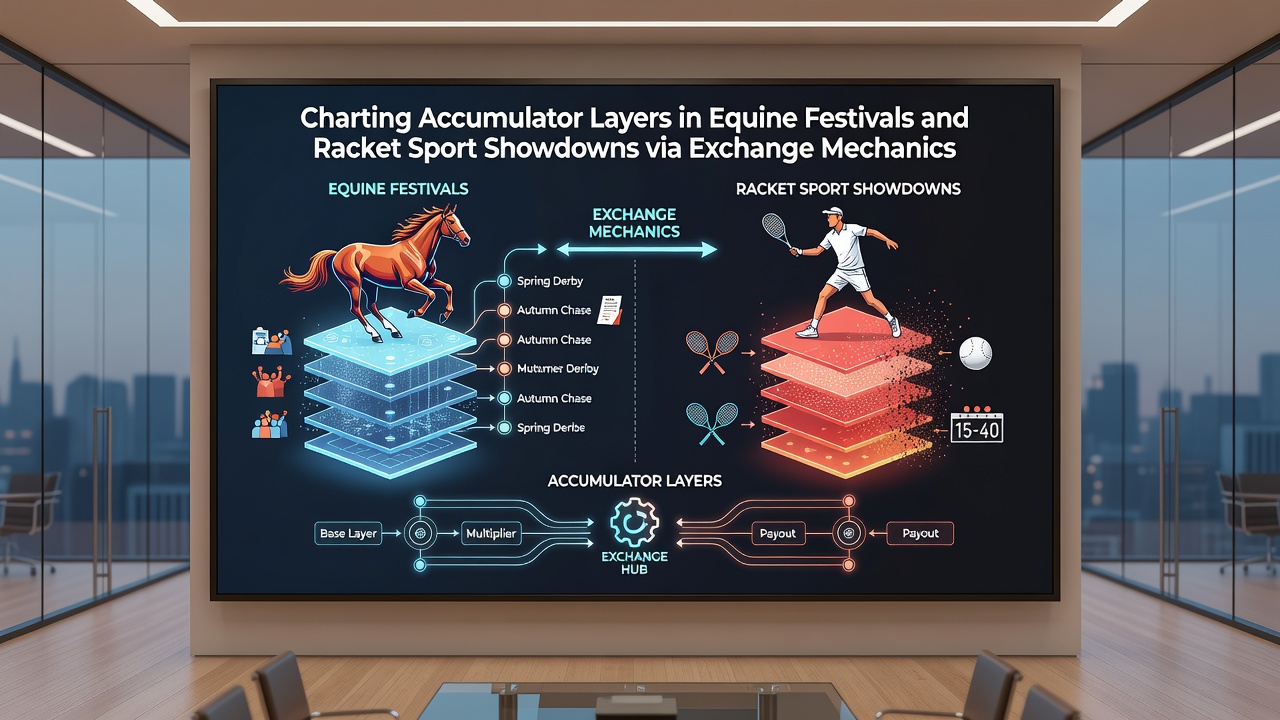
Mapping tools on exchange platforms display layer progression through visual interfaces that track each conditional step from initial stake through final payout scenarios, and users reference historical datasets to calibrate layer counts against expected volatility. Research indicates that equine festival selections tend to exhibit higher variance in early rounds of multi-day events, prompting many to insert intermediate layers that hedge against early eliminations before moving into racket sport legs with steadier statistical profiles. Canadian provincial gaming reports note similar patterns where combined calendars in late summer produce measurable increases in layered activity across both sport categories.
Execution timing becomes critical when layers span time zones, since equine morning cards in one region may overlap with evening tennis sessions elsewhere, and exchange algorithms automatically queue conditional orders to activate only after preceding results confirm. Those monitoring these flows observe that automated alerts help maintain layer integrity when sudden market shifts occur due to late withdrawals or surface changes.
Conclusion
Accumulator layer charting through exchange mechanics continues to evolve as data integration improves between equine festivals and racket sport showdowns, with scheduled activity in August 2026 expected to test these systems further under concurrent event conditions. Regulatory updates from multiple jurisdictions emphasize transparency in order matching and settlement processes that underpin such layered positions. Participants access these structures through established exchange protocols that record each conditional step and maintain audit trails for all matched orders.